How to read the mineral water label — a guide for laymen
TDS, HCO !, Na, Ca, Mg... What do the numbers on the label mean and how to choose the water that suits your situation according to them? Practical instructions from the distributor.
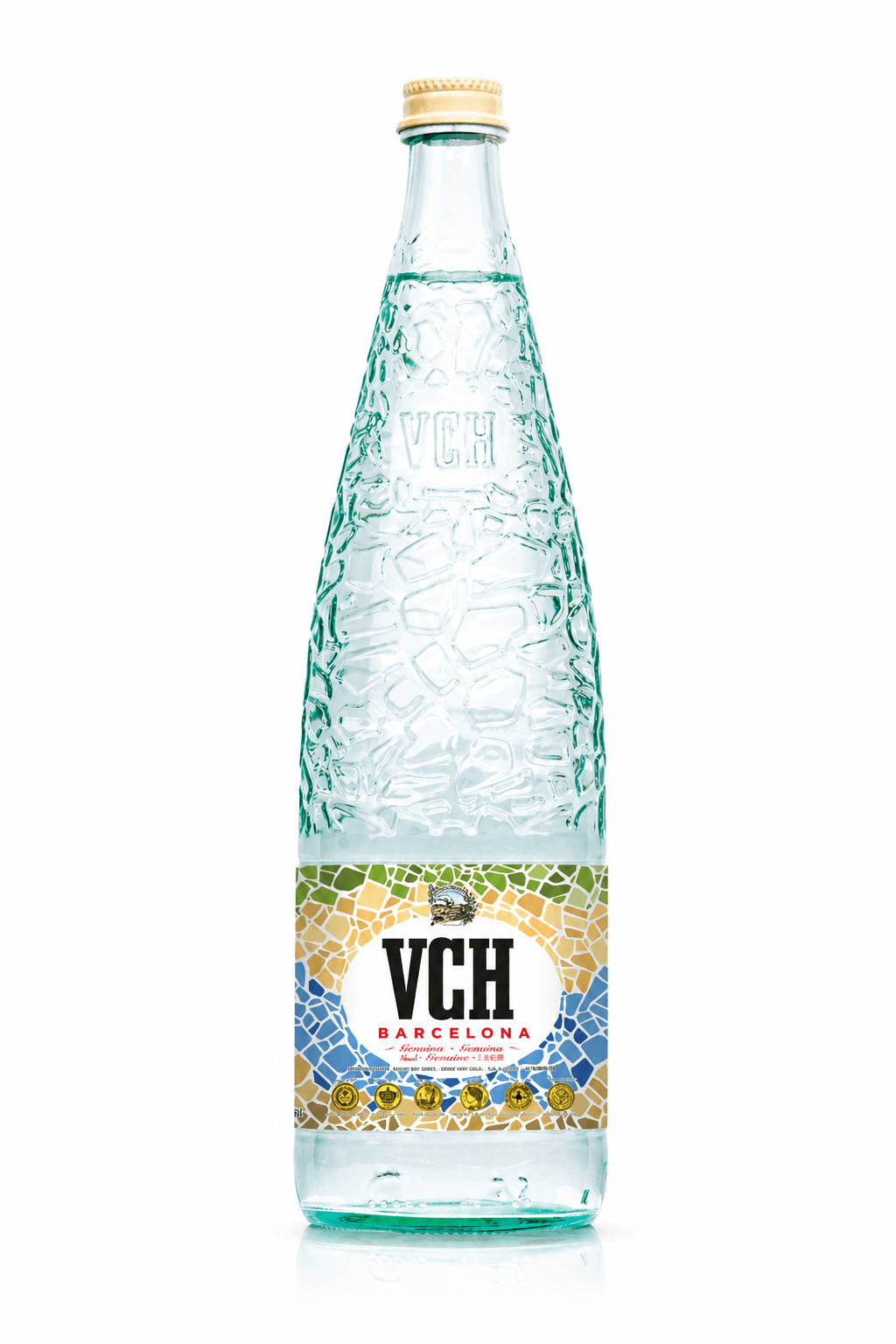
The mineral water label is actually a small chemical report. For most people, it's illegible — and when you don't understand it, it's hard to choose the water that fits you. In this article, we will discuss ** the most important data** step by step.
1. TDS — Total Dissolved Solids
TDS je súčet všetkých rozpustených minerálnych látok vo vode, vyjadrený v mg/l. Čím vyššie TDS, tým „minerálnejšia" chuť. EÚ smernica 2009/54/ES klasifikuje vody takto:
| Category | TDS (mg/l) | Nature of the |
|---|---|---|
| Very Low Mineralized | 50 | Very delicate, almost tasteless |
| Low mineralized | €50,500 | Fine, neutral (Font d'Or = 105 mg/l) |
| Moderately mineralized | 500 – 1,500 | Balanced |
| Highly mineralized | 1 500 | Significant taste (Vichy Catalan = 2,850 mg/l) |
Praktický tip: ak hľadáte vodu na každodenné pitie (raňajky, káva, čaj), vyberajte nízko mineralizovanú. Ak hľadáte vodu k jedlu, vínu alebo večernému servisu, vysoko mineralizovaná dodá chuťovú hĺbku.
2. Bicarbonates (HCOs)
Bicarbonates are one of the main taste elements of mineral water. Vichy Catalan contains 2,081 mg/l — one of the richest bicarbonate waters in Europe.
What they bring:
- A full, "complete" feeling on the palate
- Natural carbonation OF CO₂ (sparkling)
- Acid balancing — this is why they are suitable for bold meals
3. Sodium (Na)
The sodium content determines **how strong the taste * * of the water is.
| Sodium (mg/l) | Nature of the |
|---|---|
| 20. | Fine, neutral (Font d'Or = 7.8 mg/l) |
| Slightly pronounced | |
| 200 | Salty, distinctive (Vichy Catalan = 1097 mg/l) |
Low-sodium waters are suitable for all-day drinking, including for the whole family. High sodium waters replenish food and act as an apertive.
4. Calcium (Ca²≡) and Magnesium (Mg)
Calcium and magnesium give the water a delicate "metallic" freshness. For Font d'Or, the calcium content is 20.2 mg/l and the magnesium content is 1.94 mg/l — typical for mountain springs.
5. Sulphates (SO2), Chlorides (Cl), Potassium (K), Silicon (SiO2)
These elements are in smaller quantities, but they will fine-tune the overall taste profile. Some waters even promote them — e.g. SiO₂ (silicon) gives the water a silky feel.
6. Sparkling vs Still
The label always indicates whether the water is:
- ** Naturally sparkling** (CO₂ from the spring) — the most authentic
- Carbonated CO₂ (artificially saturated) — common in supermarkets
- ** Still / sin gas** — no bubbles
Vichy Catalan is naturally sparkling thanks to the thermal origin of the spring. The font d'Or is naturally still.
7. What the label MUST NOT contain (EU Directive)
Mineral water must not contain:
- Preservatives
- Sweeteners
- Colourants
- Flavouring substances
Any treatment (except removal of iron and sulphur) would mean the loss of the designation "natural mineral water".
Practical guide: how to choose water
- For daily drinking / coffee / tea: TDS below 200, sodium below 50 mg/l → Font d'Or
- With food / wine / aperitif: TDS over 1500, higher → Vichy Catalan sodium
- For the whole family: low mineralization, low sodium → Font d'Or
- For sports /electrolyte loss: Medium mineralized water
Summary
The mineral water label is no secret. Just know TDS, sodium and bicarbonates and choose the water that suits your situation. Premium waters like Vichy Catalan and Font d'Or have a completely different profile — that's why it makes sense to offer both.